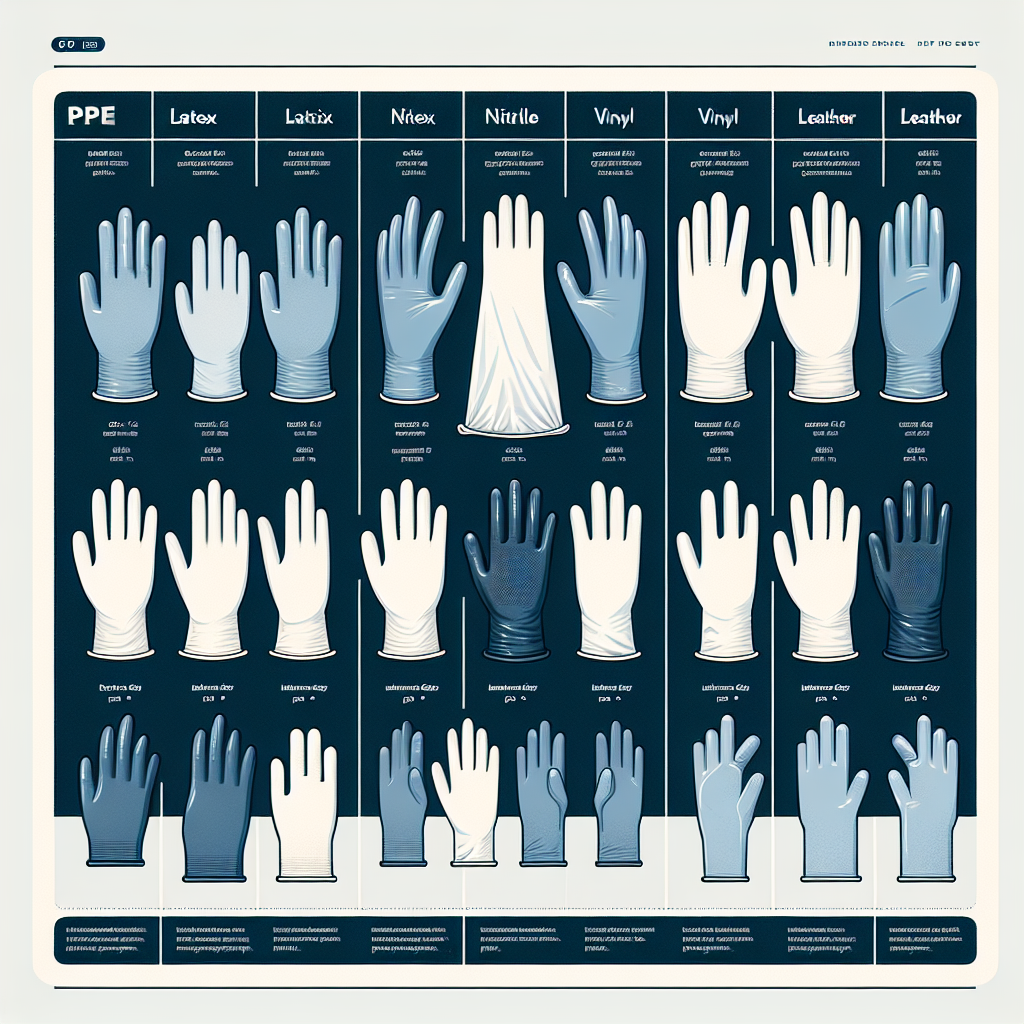
The Comprehensive PPE Gloves Guide for Workplace Safety
Personal protective equipment (PPE) gloves are essential in countless industries, from healthcare to construction and food service. The correct selection and use of gloves protect hands from hazards such as chemicals, cuts, pathogens, and extreme temperatures. In this detailed ppe gloves guide, you’ll discover key factors in choosing the best gloves, understand their types, explore design features, and learn how to ensure optimal safety in your workplace or daily routine.

Understanding PPE Gloves: Why Are They Important?
PPE gloves are engineered to provide a barrier between your skin and potential hazards. Proper usage reduces the risk of injuries, contamination, and exposure to harmful substances. In many regulated industries, the use of protective gloves is not optional, but mandatory compliance with health and safety standards.
- Hand Protection: Prevents lacerations, burns, and chemical absorption
- Infection Control: Used in healthcare to avoid cross-contamination
- Workplace Compliance: Meets standards such as EN 388, EN 374, or ASTM for occupational safety
Types of PPE Gloves: Which Ones Do You Need?
The selection of ppe gloves depends on the specific risks associated with your environment. Below are the main categories:
| Type | Main Material | Typical Uses | Benefits |
|---|---|---|---|
| Nitrile Gloves | Nitrile rubber | Healthcare, laboratories, food handling | Latex-free, puncture-resistant, chemical protection |
| Latex Gloves | Natural rubber | Medical, dental, cleaning | High dexterity, tactile sensitivity |
| Vinyl Gloves | Polyvinyl Chloride (PVC) | Food service, light cleaning | Cost-effective, latex-free |
| Cut-Resistant Gloves | Kevlar®, HPPE, steel fibers | Manufacturing, glass handling | Cut and abrasion resistance |
| Chemical-Resistant Gloves | Neoprene, nitrile, butyl | Chemical handling, labs | Protection against hazardous substances |
| Thermal Gloves | Insulated fabrics | Freezer work, welding | Heat/cold protection |
PPE Gloves Design, Features, and Innovations
The design of protective gloves continues evolving to improve comfort and safety. Some key features include:
- Powder-free vs. Powdered: Reduces allergy risk and debris in sensitive environments.
- Textured Fingertips: Enhances grip for precise work and reduces slippage.
- Ambidextrous Design: Fits either hand, improving convenience and reducing stock needs.
- Extended Cuffs: Offers additional forearm protection, useful in chemical or biological labs.
- Touchscreen Compatibility: Essential for tech-driven workplaces.

Choosing the Right PPE Gloves: What to Consider
Selecting the optimal glove type requires analyzing several factors:
- Hazard Assessment:
- Identify all chemical, biological, and mechanical risks in your tasks.
- Refer to safety data sheets (SDS) for recommended glove types.
- Comfort and Fit:
- Choose the right glove size—too tight causes fatigue, too loose reduces dexterity.
- Consider lining and ventilation for prolonged wear.
- Compliance and Standards:
- Ensure gloves meet relevant standards (EN, ASTM, ISO, OSHA).
- Look for certifications such as EN 388 for mechanical risks or EN 374 for chemical risks.
- Frequency and Duration of Use:
- Disposable gloves are ideal for contamination control and frequent changeovers.
- Reusable gloves are suitable for heavy-duty or long-term tasks.
Best Practices for PPE Glove Use and Maintenance
- Inspect gloves for defects (tears, punctures, discoloration) before use.
- Follow proper donning (putting on) and doffing (removal) techniques to prevent contamination.
- Dispose of single-use gloves safely and according to guidelines.
- Store reusable gloves in a cool, dry place free from sunlight and chemicals.
- Clean reusable gloves with the recommended method and inspect regularly.
When to Replace PPE Gloves?
Replace gloves immediately if they show any signs of degradation or contamination. Consult the manufacturer’s guidelines for the maximum usable life and replacement intervals.
PPE Gloves Guide: Industry-Specific Recommendations
- Healthcare: Nitrile or latex gloves for tasks with potential exposure to bloodborne pathogens. Powder-free versions preferred.
- Food Industry: Vinyl gloves for food preparation and handling; frequent change recommended to maintain hygiene.
- Industrial: Cut-resistant gloves with ANSI/ISEA or EN 388 ratings for mechanical risks; chemical-resistant gloves for hazardous substances.
- Laboratories: Nitrile or neoprene gloves for protection against a wide range of chemicals; consider extended cuffs.

Frequently Asked Questions about PPE Gloves
- What does PPE stand for?
- PPE means Personal Protective Equipment, which includes gear used to protect against health and safety hazards.
- Are nitrile gloves better than latex?
- Nitrile gloves offer enhanced chemical protection and are latex-free, reducing allergy risk. Latex gloves provide greater flexibility and sensitivity. The best choice depends on your specific task and any allergy concerns.
- How do I know if gloves meet safety standards?
- Look for markings or certificates indicating compliance with standards such as EN 388, EN 374, or ASTM guidelines. Consult the supplier for documentation if unsure.
- Can I reuse disposable gloves?
- No, never reuse disposable gloves. They’re designed for single use only to maintain hygiene and safety.
Conclusion
Protecting your hands is fundamental to maintaining safety and health in any risky environment. This ppe gloves guide highlights the importance of understanding your options, recognizing hazards, and making informed decisions when choosing, using, and maintaining protective gloves. Always prioritize quality, fit, certification, and suitability for your specific tasks to maximize safety and compliance.