Novax Gloves Compliance: A Comprehensive Guide to Safety Standards
In today’s world, the importance of personal protective equipment (PPE) cannot be overstated. Among the various PPE, Novax gloves compliance stands out as a critical aspect of workplace safety for industries such as healthcare, laboratories, manufacturing, and electrical work. This guide explores what Novax gloves compliance means, how it impacts safety, and why it’s essential to stay updated with the latest industry regulations.

What Are Novax Gloves?
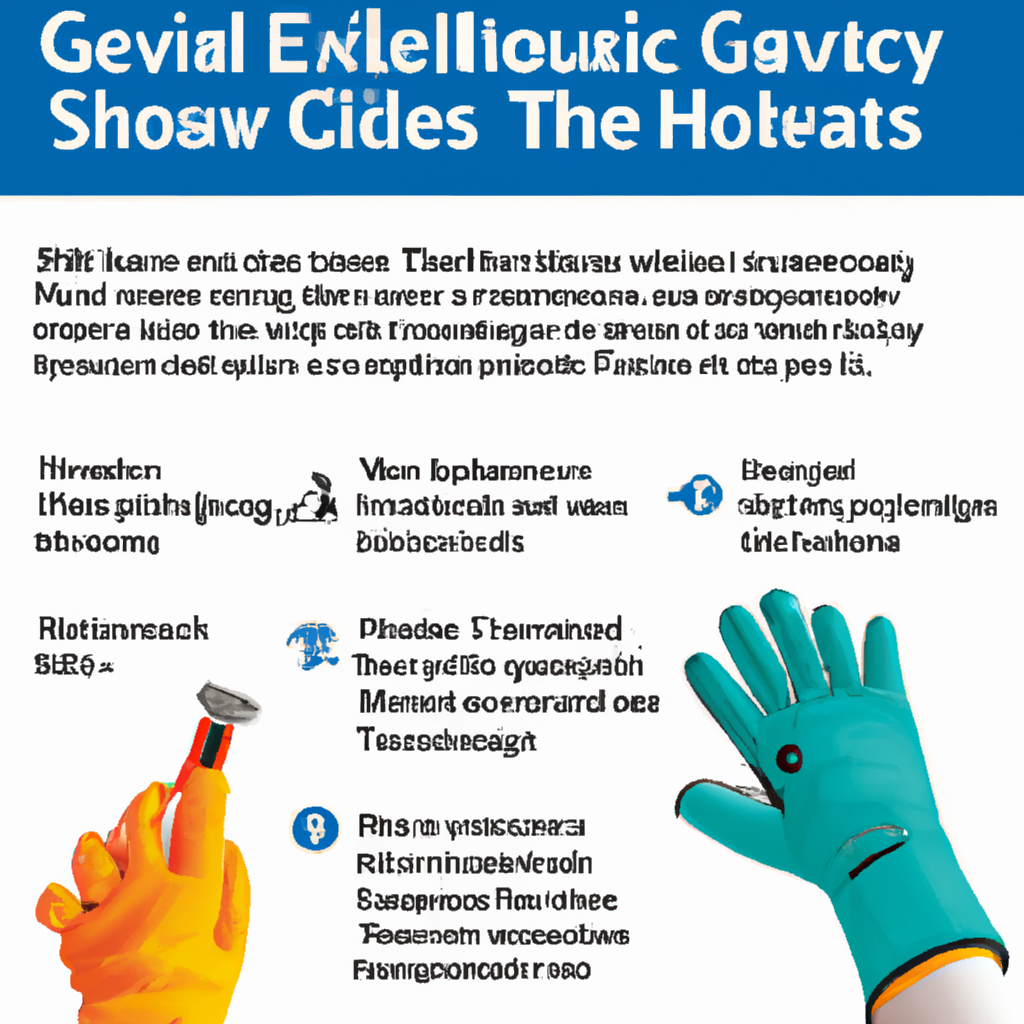
Novax gloves are high-performance insulating gloves designed to protect users from electrical hazards, chemicals, and other workplace dangers. Typically made from natural or synthetic rubber, these gloves undergo rigorous testing to ensure they conform to strict safety standards. Novax gloves are widely recognized for their durability, flexibility, and superior protection, making them a preferred choice for professionals who need reliable hand protection.
- Electrical insulation capabilities
- Resistant to chemicals and abrasives
- Available in various sizes and classes for specific applications
Why Is Novax Gloves Compliance Important?
Compliance with Novax glove standards ensures that the gloves meet rigorous quality benchmarks set by international and national regulatory bodies. Non-compliant gloves can expose workers to serious injuries, legal liabilities, and operational disruptions. By adhering to Novax gloves compliance requirements, organizations demonstrate their commitment to workplace safety and regulatory conformity.
“Safety isn’t expensive, it’s priceless. Ensuring Novax gloves compliance protects both employees and the organization.”

Key Novax Gloves Compliance Standards and Certifications
Novax gloves must comply with various international and local standards to guarantee safety and performance. Some of the most notable standards include:
- ASTM D120
- Specifies requirements for rubber insulating gloves used in electrical work.
- IEC 60903
- Defines the global standard for electrical insulating gloves.
- EN 60903
- European safety standard for hand protection against electric shock.
- OSHA Regulations
- Outlines employer responsibilities for providing compliant protective gloves in hazardous environments.
Other important aspects include chemical resistance, mechanical properties testing, and periodic recertification to ensure continuous compliance with evolving safety regulations.
Related Terms and LSI Keywords
When discussing Novax gloves compliance, several LSI (Latent Semantic Indexing) keywords are integral to the topic. These include:
- Insulating gloves certification
- Electrical safety gloves standards
- Workplace PPE compliance
- Hand protection regulations
- Novax glove inspection procedures
- Personal protective equipment requirements
- Conformity assessment for safety gloves
- Risk management with Novax gloves
- Testing and recertification of gloves
- Occupational health and safety standards
Best Practices for Ensuring Novax Gloves Compliance
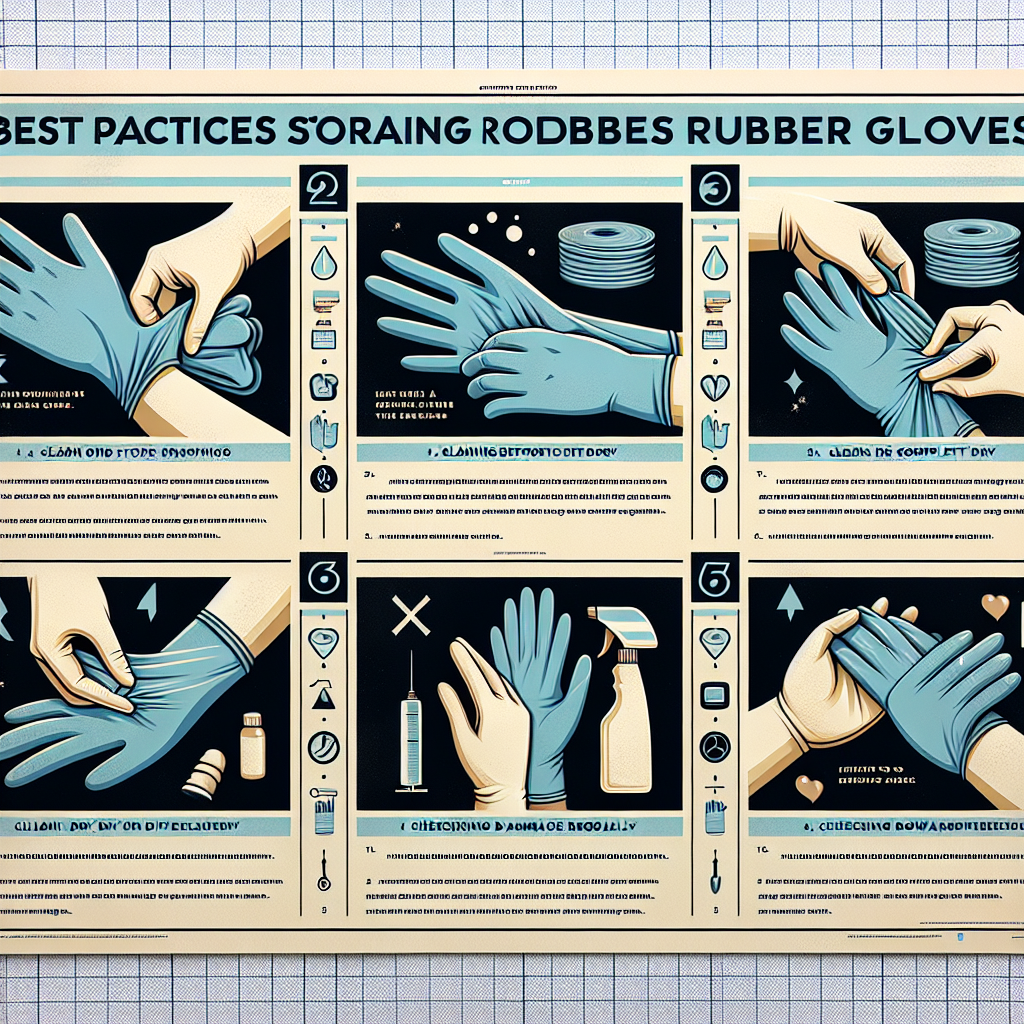
- Routine Inspection: Perform visual and physical inspections before each use to check for tears, punctures, or degradation.
- Regular Testing: Conduct periodic dielectric tests and material integrity checks to ensure gloves maintain compliance.
- Proper Storage: Store gloves in cool, dry conditions away from direct sunlight and ozone sources to prevent material breakdown.
- Training & Awareness: Educate employees on the importance of compliance and correct usage protocols for Novax gloves.
- Record Keeping: Maintain logs of inspections, tests, and employee training to demonstrate ongoing compliance during audits.

Common Challenges in Maintaining Novax Gloves Compliance
Despite best efforts, organizations may face hurdles in maintaining continuous compliance with Novax gloves standards:
- Rapid Regulation Changes: Keeping up with evolving safety regulations and updating glove inventory accordingly.
- Supply Chain Issues: Ensuring all purchased gloves come with valid certification and traceability documentation.
- Employee Negligence: Addressing improper glove use or neglecting mandatory inspection protocols.
- Resource Constraints: Allocating sufficient budget and personnel for compliance activities and glove recertification.
How to Choose the Right Novax Gloves for Your Needs
Selecting the correct Novax gloves involves more than just picking a size. Consider the following factors to ensure compliance and optimal protection:
- Application: Match the glove class and rating to the specific electrical or chemical hazards present.
- Certification: Verify compliance with relevant standards (e.g., ASTM D120, IEC 60903).
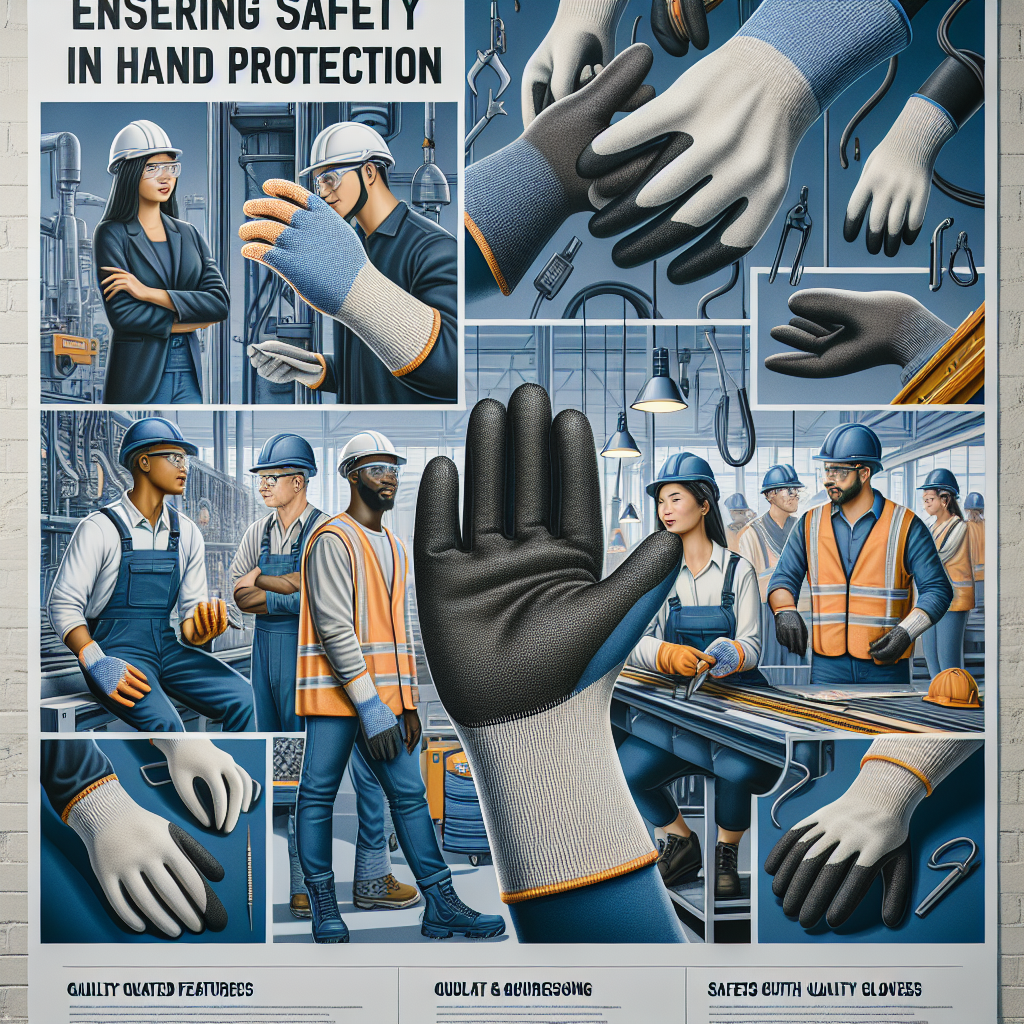
- Comfort & Fit: Choose gloves that allow dexterity and comfort for prolonged use.
- Manufacturer Reputation: Select trusted brands with proven compliance records and transparent supply chains.
- Documentation: Request up-to-date certificates and testing reports for every glove purchase.
The Role of Maintenance and Recertification in Novax Gloves Compliance
Maintaining compliance is an ongoing process. Novax gloves require regular cleaning, inspection, and testing. Most compliance standards dictate recertification every six months—or sooner if the gloves are used frequently or exposed to harsh conditions. Failing to recertify or properly maintain gloves can result in non-compliance and increased risk of workplace incidents.
Conclusion: Make Novax Gloves Compliance a Priority
Novax gloves compliance is not just a regulatory requirement but a vital part of a robust occupational health and safety program. By adhering to standards, conducting regular inspections, and staying informed about the latest regulations, organizations can protect their workforce, reduce liability, and build a culture of safety. Remember, choosing and maintaining compliant Novax gloves is an investment in the long-term well-being of your employees and the reputation of your business.