Electrical Safety Equipment Compliance: Ensuring Workplace Safety & Regulatory Adherence
Electrical safety equipment compliance is a critical requirement for every business, facility, or professional working with electrical systems. Maintaining compliance with electrical safety standards not only ensures the well-being of employees but also protects organizations from legal liabilities, costly penalties, and operational disruptions. In this comprehensive guide, we’ll explore the importance of electrical safety equipment, regulatory standards, compliance requirements, best practices, and the essential tools required to create a secure working environment.
What is Electrical Safety Equipment Compliance?
Electrical safety equipment compliance refers to adhering to the regulations, guidelines, and standards that govern the selection, use, maintenance, and inspection of personal protective equipment (PPE) and devices designed to prevent electrical hazards. Compliance ensures that every piece of equipment used in electrical work meets or exceeds the required certification standards set by international, national, and industry-specific bodies.
- Minimizes risk of electric shock, arc flash, and fire hazards.
- Ensures legal conformity with safety authorities such as OSHA, NFPA, and IEC.
- Promotes a safety-oriented culture within the organization.

Key Regulatory Standards and Guidelines
Maintaining compliance with electrical safety equipment involves understanding and applying various regulations and guidelines. Some of the most recognized include:
- OSHA (Occupational Safety and Health Administration): Sets requirements for electrical PPE, maintenance, and inspection schedules.
- NFPA 70E (National Fire Protection Association): Outlines best practices for electrical safety in the workplace, especially arc flash protection.
- IEC (International Electrotechnical Commission): Provides global standards such as IEC 61482 for arc-rated protective clothing and equipment.
- ANSI (American National Standards Institute): Regulates product performance and quality for tools and PPE.
“Compliance is not a one-time effort, but an ongoing process involving training, inspection, and continuous improvement.”
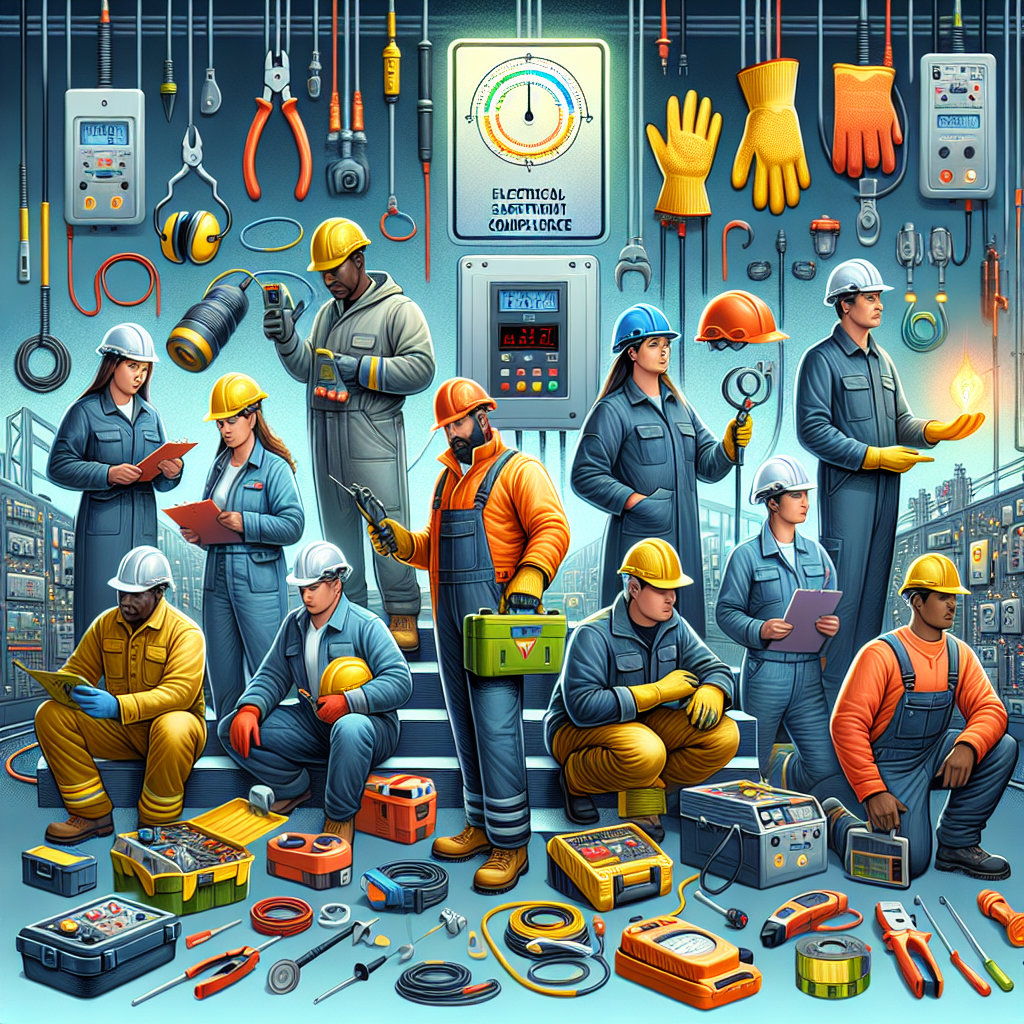
Essential Electrical Safety Equipment for Compliance
- Insulated Gloves: Protect hands from electrical shock. Must be tested and certified regularly.
- Arc Flash Suits: Provide full-body protection from arc flash hazards.
- Face Shields and Safety Goggles: Essential for eye and face protection during live work.
- Insulating Mats: Prevent grounding and reduce risk of shock.
- Lockout/Tagout Kits: Ensure machinery is safely de-energized during maintenance.
- Voltage Detectors and Multimeters: Allow safe testing and verification before work.
- Warning Labels and Signage: Critical for hazard communication and area demarcation.

Best Practices for Achieving and Maintaining Compliance
Achieving compliance with electrical safety equipment standards involves a holistic approach, combining proper equipment selection, ongoing training, regular inspections, and thorough documentation. Here are proven strategies:
1. Regular Equipment Inspection and Testing
- Schedule periodic checks for insulated tools, gloves, and PPE.
- Document inspection dates and results for audits.
- Retire equipment that fails certification or shows wear.
2. Training and Employee Education
- Conduct mandatory training sessions on electrical hazard identification and PPE usage.
- Update training materials as standards evolve.
- Promote a culture of safety awareness and accountability.
3. Proper Storage and Maintenance
- Store PPE in clean, dry environments to prevent damage.
- Follow manufacturer guidelines for cleaning and maintenance.
- Label and organize equipment for easy access and inventory control.
4. Comprehensive Documentation
- Keep detailed records of equipment certification, employee training, and incident reports.
- Prepare for spot-checks and regulatory audits with up-to-date compliance logs.
Common Pitfalls in Electrical Safety Equipment Compliance
Even well-intentioned organizations can fall short of compliance due to several common errors:
- Using outdated or uncertified PPE.
- Neglecting regular inspection and maintenance.
- Failing to provide adequate employee training.
- Improper hazard assessment or risk evaluation.
- Poor documentation and record-keeping.
Avoiding these pitfalls can significantly reduce the risk of electrical accidents and regulatory penalties.
Benefits of Electrical Safety Equipment Compliance

- Enhanced Worker Protection: Reduces injuries and fatalities.
- Legal Protection: Compliance with electrical safety regulations lowers the risk of lawsuits and fines.
- Improved Reputation: Demonstrates commitment to safety to clients, partners, and regulators.
- Operational Continuity: Fewer accidents lead to less downtime and higher productivity.
- Financial Savings: Avoids costs related to non-compliance, equipment damage, and insurance claims.
FAQs About Electrical Safety Equipment Compliance
How often should electrical PPE be inspected?
Inspection schedules vary by equipment and regulation, but most PPE should be visually inspected before each use and formally tested at least annually.
What are the consequences of non-compliance?
Non-compliance can result in serious workplace injuries, regulatory fines, legal action, and increased insurance premiums.
Who is responsible for ensuring compliance?
Ultimately, employers are responsible for providing compliant electrical safety equipment, training, and maintaining compliance documentation.
What role do certifications play in compliance?
Certifications indicate that equipment meets required safety standards and has been tested for reliability and performance.
Conclusion
Electrical safety equipment compliance is vital for protecting workers, ensuring business continuity, and meeting regulatory responsibilities. By understanding relevant standards, investing in certified PPE, conducting regular training and inspections, and fostering a proactive safety culture, organizations can achieve and maintain the highest levels of electrical safety compliance.
Prioritizing electrical safety equipment compliance is not just a regulatory necessity—it’s a smart business strategy and an ethical obligation.