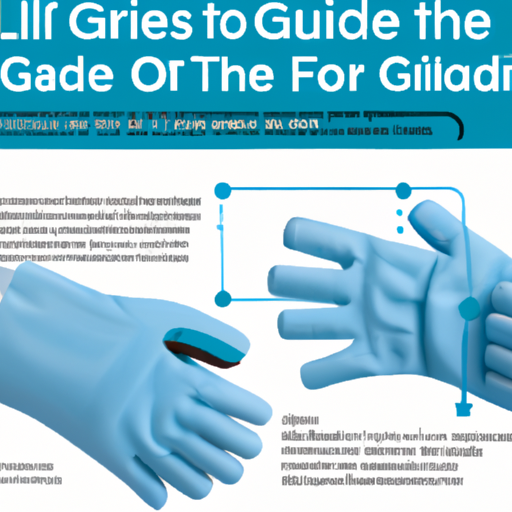
Understanding the Importance of the Best Gloves for Electricians
Electricians face numerous hazards in their daily work, from electric shocks and arc flashes to punctures and abrasions. Choosing the best gloves for electricians specs is crucial for both safety and comfort. In this comprehensive guide, we’ll explore what makes great electrician gloves, the key specifications to look for, the role of design and materials, and how to select the right pair for your needs. We’ll also feature visual examples to help you make an informed decision.

Essential Specs for Electrician Gloves
When selecting gloves, understanding the main specifications is essential for ensuring both compliance and safety. The best gloves for electricians specs are based on international safety standards and practical work requirements. Here are the top features and specs you should consider:
- Insulation Rating: Meets or exceeds standards like ASTM D120 or IEC 60903 for electrical insulation.
- Voltage Protection: Class 00 to Class 4 gloves offer protection ranging from 500 to 36,000 volts (refer to product labeling).
- Material Composition: High-quality rubber or composite materials ensure maximum protection against electric current.
- Cuff Length: Extended cuffs add extra protection for wrists and forearms.
- Puncture and Tear Resistance: Reinforced lines and layered construction help prevent accidental damage.
- Grip and Dexterity: Non-slip textures or coatings make it easier to handle tools and wires.
- Comfort and Breathability: Ergonomic fit reduces hand fatigue during extended use.
Related Terms and LSI Keywords (in Electrician Glove Selection)
LSI (Latent Semantic Indexing) keywords help to cover all aspects of the topic and include phrases electricians and safety managers frequently search for:
- electrical insulation gloves
- arc flash hand protection
- high voltage safety gloves
- rubber insulating gloves
- tool grip gloves for electricians
- lineman gloves specifications
- personal protective equipment (PPE) for electricians
- ANSI electrical glove standards
- cut-resistant work gloves
- shock proof gloves for electrical work
Incorporating these LSI keywords helps you understand the breadth of products available and their intended uses.
Main Types of Electrician Gloves & Their Use Cases
- Classified Rubber Insulating Gloves: The cornerstone of electrical PPE, usually worn with protective leather “overgloves”. Best for high voltage work.
- Arc Flash Gloves: Designed to withstand the extreme temperatures of an arc flash event, often tested to ASTM F2675 / F2675M standards.
- General Purpose Electrician Gloves: Lightweight, flexible, and aimed for everyday, low-voltage or maintenance activities.
- Cut-Resistant Gloves: Integrated with materials like Kevlar or Dyneema to provide additional protection against sharp tools or cables.

Design Features to Look For
Every glove for electricians is designed with both safety and utility in mind. Key design elements include:
- Textured Palms: Improve grip in wet or oily conditions.
- Color Coding: For voltage rating or quick visual inspections.
- Ergonomic Finger Design: Allows tactile feedback when handling components or pressing switches.
- Layered System: Use of a cotton or moisture-wicking liner under the main glove to prevent sweat buildup and increase comfort.
Understanding Safety Standards for Electrician Gloves
The best gloves for electricians specs are defined by recognized national and international safety bodies:
- ASTM D120/IEC 60903: The gold standard for rubber insulating gloves, indicating that gloves are rigorously tested for electrical safety.
- ANSI/ISEA 105: Focuses on cut-resistance, abrasion, and puncture standards for workplace gloves in the US.
- OSHA Compliance: Ensures gloves are approved for use on electrical job sites and meet strict PPE rules.
Always check for visible certification marks before purchasing or using electrician gloves.
How to Choose the Right Electrician Gloves: A Quick Checklist
- Define Your Risk Level: Consider the maximum voltage you may encounter and choose gloves with the appropriate class and insulation rating.
- Fit and Comfort: Try on gloves, if possible, and ensure they allow adequate movement and dexterity without feeling loose.
- Inspect Gloves Regularly: Look for signs of physical wear, such as cracks, punctures, or discoloration. Follow recommended replacement intervals.
- Layering: Use leather protectors to safeguard rubber gloves from mechanical hazards while preserving insulation.
- Stay Informed: Stay up to date with changes in safety standards and improvements in glove materials or technology.

Proper Care & Maintenance for Prolonged Glove Life
To maintain the protective properties of your gloves:
- Store in a cool, dry place away from sunlight and sharp objects.
- Clean with mild soap and water; avoid harsh chemicals that may degrade the material.
- Regularly inspect before and after each use for any damage.
- Schedule dielectric testing per manufacturer guidelines.
If hands typically sweat during use, consider using glove liners for extra comfort and moisture control. Always follow the manufacturer’s care instructions as part of your PPE protocol.
Frequently Asked Questions (FAQ)
- Can you use cut-resistant gloves for electrical work? Only if they’re certified for electrical protection. Not all cut-resistant gloves protect from electric shocks.
- How often should you replace electricians’ gloves? Follow the manufacturer’s recommended testing and replacement intervals, which typically range from 6 to 12 months.
- Are all electrician gloves waterproof? Insulating rubber gloves are generally water-resistant, but extra care is needed in wet conditions.
Final Thoughts
Prioritizing the best gloves for electricians specs can save lives and prevent workplace injuries. Consider insulation, fit, material, safety certifications, and ergonomic design when making your choice. Making the right selection and maintaining your gloves properly ensures safety, efficiency, and compliance for every project.